


Buying Real Estate in Chicago and the North & Northwest Suburbs
Chicago and the surrounding suburbs offer a wide variety of housing options including condominiums, townhomes, single-family houses, small multi-unit buildings, large apartment buildings, and mixed-use investment properties. Each type of property has different ownership structures, financing options, maintenance responsibilities, and investment potential.
Understanding the differences between these property types can help buyers choose the type of real estate that best fits their goals. Some buyers are focused on low-maintenance homeownership, while others are looking for rental income or long-term real estate investment opportunities.
This guide explains the most common types of properties available in Chicago and nearby suburbs, along with the advantages and disadvantages of each option.
Home Buying Tutorials
If you are new to buying real estate or want to better understand the process, you can review our home buying tutorials which explain topics such as financing, inspections, negotiations, and closing steps.
View Home Buyer TutorialsWhat Is a Condominium (Condo)?
A condominium is an individually owned unit within a larger building or community where owners share common areas such as hallways, roofs, parking areas, landscaping, or amenities. Condo owners typically own the interior of their unit while the building structure and common areas are maintained by a homeowners association (HOA). :contentReference[oaicite:0]{index=0}
Advantages of Buying a Condo
• Often more affordable than single-family homes • Lower maintenance responsibilities • Shared amenities such as gyms or pools • Good option for first-time buyers or downsizing homeownersDisadvantages of Buying a Condo
• HOA fees • HOA rules and restrictions • Shared walls and less privacy • Resale values may appreciate slower than housesWhat Is a Townhome or Townhouse?
A townhouse is a multi-level home that shares one or more walls with neighboring homes but usually has its own entrance and sometimes a small yard or garage. Townhomes often provide a middle ground between condos and single-family homes. :contentReference[oaicite:1]{index=1}
Advantages of Buying a Townhome
• Often more space than a condo • Usually less expensive than a detached house • May include garage or outdoor space • Some maintenance handled by HOADisadvantages of Buying a Townhome
• Shared walls with neighbors • HOA rules may apply • Limited outdoor space compared to housesWhat Is a Single-Family Home?
A single-family home is a detached residential property designed for one household. The owner typically owns both the building and the land it sits on. Single-family homes provide the highest level of privacy and control over the property. :contentReference[oaicite:2]{index=2}
Advantages of Buying a Single-Family Home
• Maximum privacy • More space and yard area • Greater freedom to renovate or modify • Often stronger long-term resale demandDisadvantages of Buying a Single-Family Home
• Higher purchase price • All maintenance responsibilities fall on the owner • Property taxes and insurance may be higherWhat Is a 2-4 Unit Multi-Family Building?
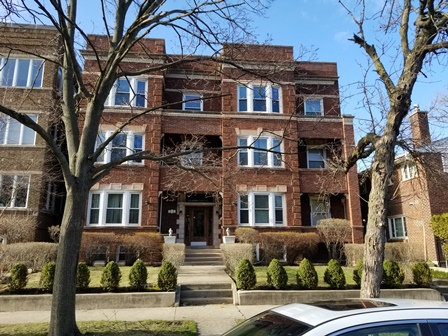
A 2-4 unit building is a residential property containing two, three, or four separate apartments within one structure. Owners sometimes live in one unit while renting the others, a strategy often called “house hacking.” Multifamily properties provide multiple income streams from tenants. :contentReference[oaicite:3]{index=3}
Advantages
• Rental income potential • Owner can live in one unit and rent the others • Residential financing may still be available • Multiple income streams reduce vacancy riskDisadvantages
• Landlord responsibilities • Tenant management • Higher maintenance and operating costsWhat Are 5+ Unit Apartment Buildings?
Properties with five or more residential units are usually considered commercial multifamily real estate. These buildings are typically evaluated based on their rental income and operating performance rather than residential comparable sales.
Advantages
• Larger income potential • Multiple rental units • Professional investment propertyDisadvantages
• Commercial financing required • More complex management • Higher purchase pricesWhat Is a Mixed-Use Property?
A mixed-use building combines residential units with commercial space such as retail shops, restaurants, or offices in the same property. These buildings are common along Chicago commercial corridors and downtown districts.
Advantages
• Multiple income streams • Potential for higher rents from commercial tenants • Often located in high-traffic areasDisadvantages
• Commercial tenant risk • More complex financing • Zoning considerationsProperty Type Comparisons
Condo vs Townhome
Condos usually involve ownership of only the interior unit, while townhome owners typically own both the structure and the land associated with their unit.Townhome vs Single-Family Home
Townhomes share walls with neighbors, while single-family homes are detached and provide more privacy and control.Single-Family vs 2-4 Unit
Single-family homes contain one household, while 2-4 unit buildings include multiple apartments and may produce rental income.2-4 Unit vs 5+ Unit Buildings
2-4 unit buildings are usually treated as residential real estate, while properties with five or more units are generally classified as commercial investment properties.
Frequently Asked Questions About Buying Real Estate
What type of home is best for first-time buyers?
Many first-time buyers consider condos or townhomes because they are often more affordable and require less maintenance.
Is a condo cheaper than a house?
Condos are often less expensive than detached homes because owners share the building structure and land with other residents, which can lower the overall purchase price compared to single-family houses.
What type of property builds the most equity?
Single-family homes often experience strong long-term appreciation because they include both the house and the land.
Can you live in one unit of a multi-family building and rent the others?
Yes. Many owners live in one unit while renting the other units to generate income.
What property types are best for investors?
Multi-family properties and mixed-use buildings are commonly purchased by investors seeking rental income.
How to Request a Property Showing
If you would like to see a property in person, this short video below explains how the showing process works and how to schedule tours efficiently.
Get Pre-Approved for a Mortgage
Before scheduling property tours, many buyers choose to get pre-approved for a mortgage. A pre-approval helps determine your price range and shows sellers that you are financially prepared to purchase a home.
You can begin the pre-approval process here:
Start Your Mortgage Pre-ApprovalMark Latuszek – Local Perspective
One of the most common questions buyers ask is which type of property they should purchase. The answer depends on several factors including budget, lifestyle preferences, maintenance tolerance, and whether the buyer is interested in rental income or purely homeownership.
Chicago offers a wide variety of housing options ranging from downtown condominiums to classic Chicago two-flats and suburban single-family homes. Each property type has advantages depending on what the buyer wants to accomplish. Understanding the differences between these property types helps buyers make more informed decisions when searching for their next property.
Areas I Cover
Chicago Neighborhoods
Albany Park
Andersonville
Avondale
Belmont Cragin
Dunning
Edgewater
Edison Park
Forest Glen
Hermosa
Irving Park
Jefferson Park
Lakeview
Lincoln Park
Lincoln Square
Logan Square
Montclare
Near North Side
North Center
North Park
Norwood Park
Old Town
Portage Park
Ravenswood
Rogers Park
Roscoe Village
Uptown
West Rogers Park
North & Northwest Suburbs
Arlington Heights
Barrington
Deerfield
Des Plaines
Elk Grove Village
Elmhurst
Elmwood Park
Evanston
Glencoe
Glenview
Harwood Heights
Hoffman Estates
Kenilworth
Lincolnwood
Morton Grove
Mount Prospect
Niles
Norridge
Northbrook
Northfield
Park Ridge
Rosemont
Schaumburg
Schiller Park
Skokie
Wilmette
Winnetka
 Midwest Real Estate Data (MRED) All information deemed reliable but not guaranteed. All properties are subject to prior sale, change or withdrawal. Neither listing broker(s) or information provider(s) shall be responsible for any typographical errors, misinformation, misprints and shall be held totally harmless. Listing(s) information is provided for consumer's personal, non-commercial use and may not be used for any purpose other than to identify prospective properties consumers may be interested in purchasing. The data relating to real estate for sale on this website comes in part from the Internet Data Exchange program of the Multiple Listing Service. Real estate listings held by brokerage firms other than Weichert, Realtors® - All Pro - Park Ridge may be marked with the Internet Data Exchange logo and detailed information about those properties will include the name of the listing broker(s) when required by the MLS. Copyright ©2026 All rights reserved.Based on information submitted to the MLS GRID as of September 12, 2026 8:30 PM UTC All data is obtained from various sources and may not have been verified by broker or MLS GRID. Supplied Open House Information is subject to change without notice.
Data is updated as of September 12, 2026 8:30 PM UTC
Midwest Real Estate Data (MRED) All information deemed reliable but not guaranteed. All properties are subject to prior sale, change or withdrawal. Neither listing broker(s) or information provider(s) shall be responsible for any typographical errors, misinformation, misprints and shall be held totally harmless. Listing(s) information is provided for consumer's personal, non-commercial use and may not be used for any purpose other than to identify prospective properties consumers may be interested in purchasing. The data relating to real estate for sale on this website comes in part from the Internet Data Exchange program of the Multiple Listing Service. Real estate listings held by brokerage firms other than Weichert, Realtors® - All Pro - Park Ridge may be marked with the Internet Data Exchange logo and detailed information about those properties will include the name of the listing broker(s) when required by the MLS. Copyright ©2026 All rights reserved.Based on information submitted to the MLS GRID as of September 12, 2026 8:30 PM UTC All data is obtained from various sources and may not have been verified by broker or MLS GRID. Supplied Open House Information is subject to change without notice.
Data is updated as of September 12, 2026 8:30 PM UTC
